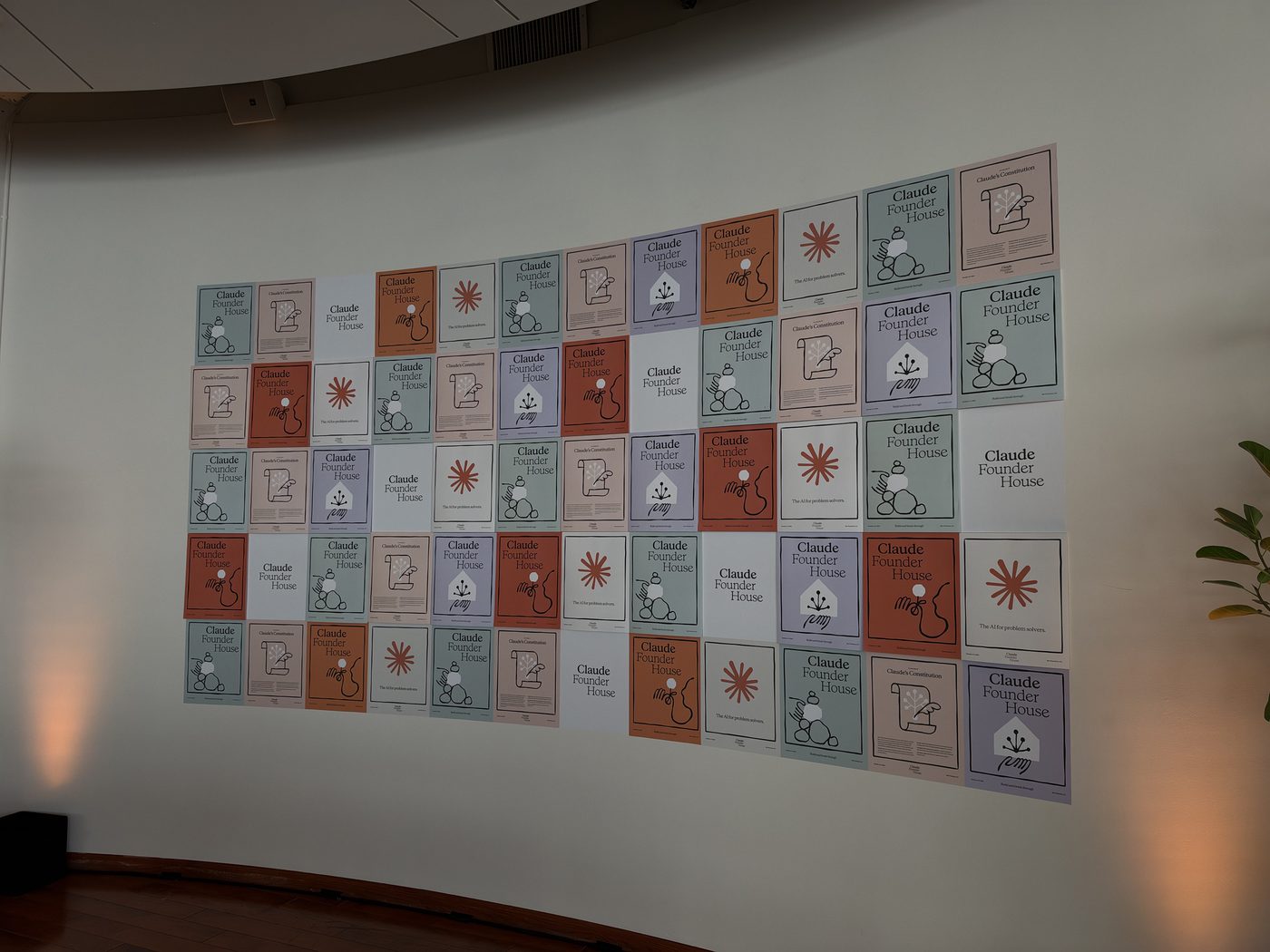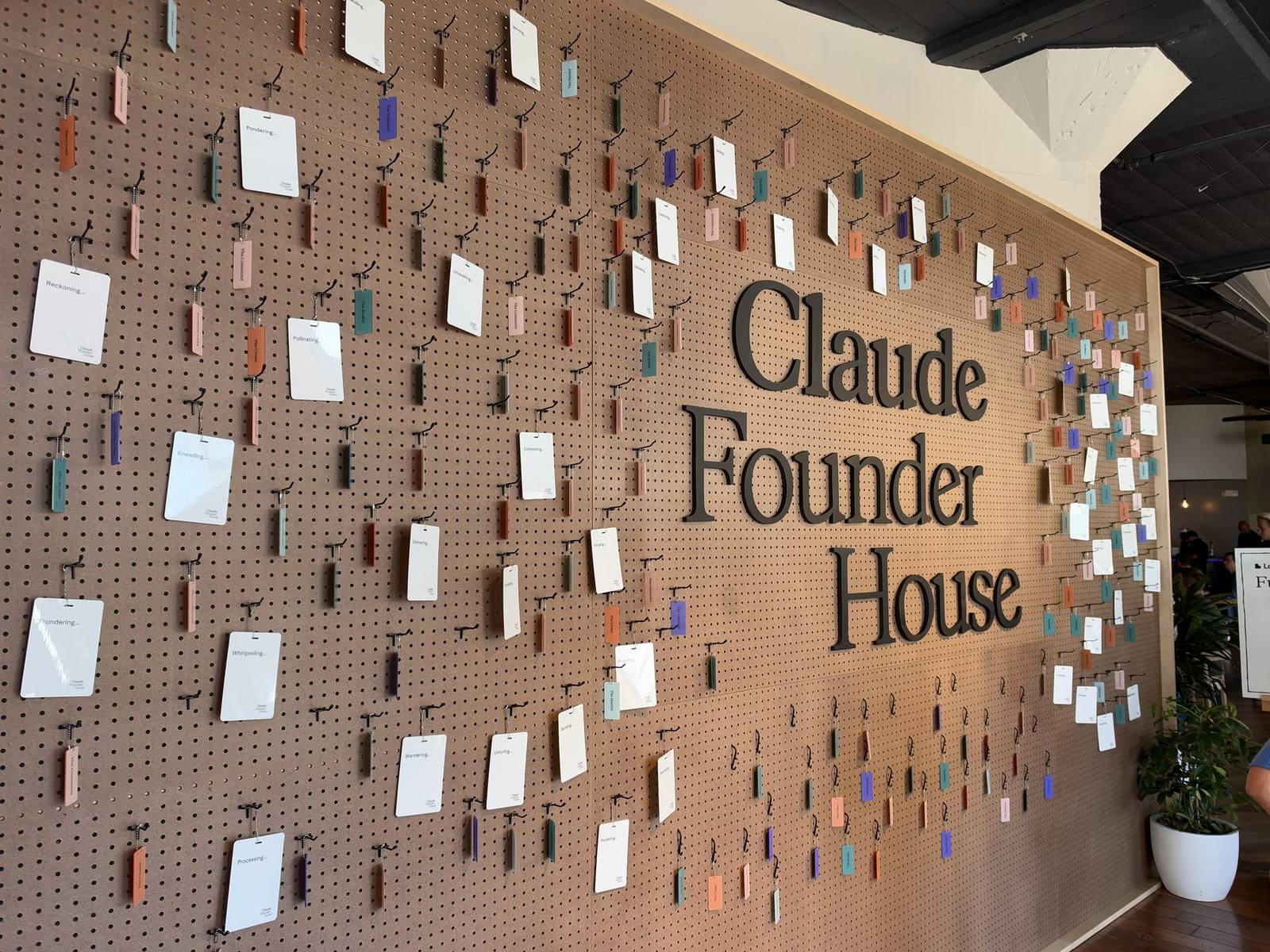
Home care rarely gets a seat at the table when technology is being built. In early October, it did.
Musa Omarzai, co-founder and technology lead of Care Cura, a licensed home care agency based in Tracy, California, attended Claude Founder House, hosted by Anthropic, in San Francisco from October 6 to 8, 2026. Over three days, he met with engineers and researchers who build Claude, shared how a small agency in the Central Valley uses their models to deliver care, and spoke with a reporter from The Wall Street Journal about Care Cura and Mira.
"Most AI conversations are about software companies. We came to show what it looks like when a home care agency uses it to put more caregiver time back into a client's day."
Musa Omarzai, Co-Founder, Care Cura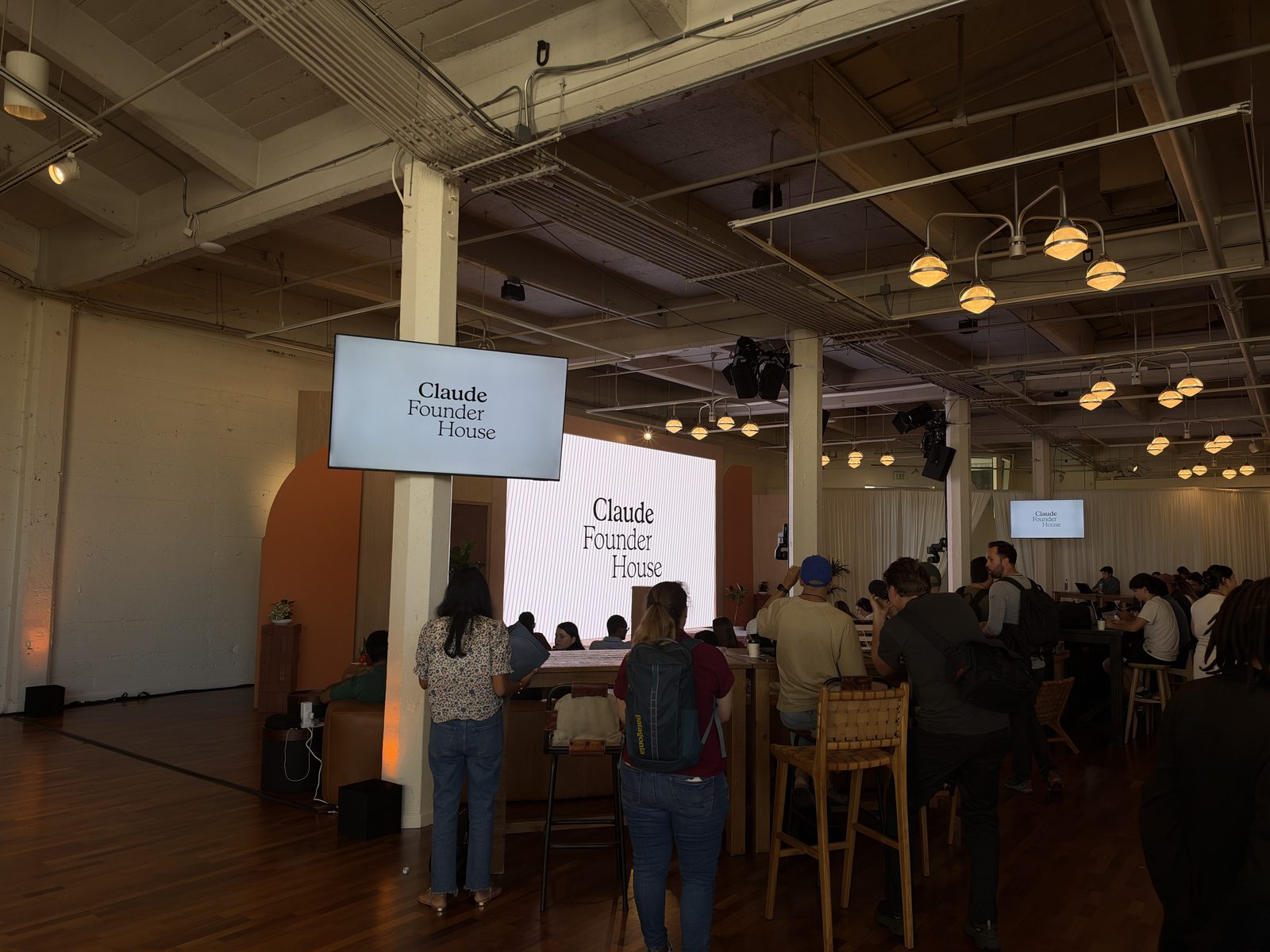
Why a home care agency was in the room
California is short on caregivers, and the ones it has spend too much of their day on scheduling, documentation, and handoffs. Care Cura built Mira, its own workforce management platform, to take that weight off. Mira handles caregiver scheduling, GPS visit verification, care documentation, shift handoff, invoicing, and payroll, so caregivers and families work from the same clear record.
Built for the people doing the work
Mira isn't software built for a back office. It's built for caregivers. Every feature starts with one question: what would make a caregiver's day easier and their care better?
A clear schedule
Every shift, client, and address on the caregiver's phone.
Notes in seconds
Visit documentation captured quickly, so more time goes to the client.
Training before day one
Structured pre-service training completed right inside Mira.
A direct line
A clear path to the office when something needs attention in the field.
Those tools aren't only for Care Cura. Caregivers at every agency that runs on Mira get the same ones, and every improvement reaches them too.
"Caregivers do some of the most important work there is. They deserve tools as good as the ones engineers get. That's what we're building with Mira."
Musa OmarzaiTwo model providers, one standard
Mira is designed and built by Care Cura's own team. AI models from both Anthropic and OpenAI help along the way, and the team switches between them depending on the task, using whichever fits best. The people decide what to build and what ships. AI helps a small team move faster.
"We don't pick sides. We pick whatever gets a family better care, faster."
Musa OmarzaiFeedback from the people building the models
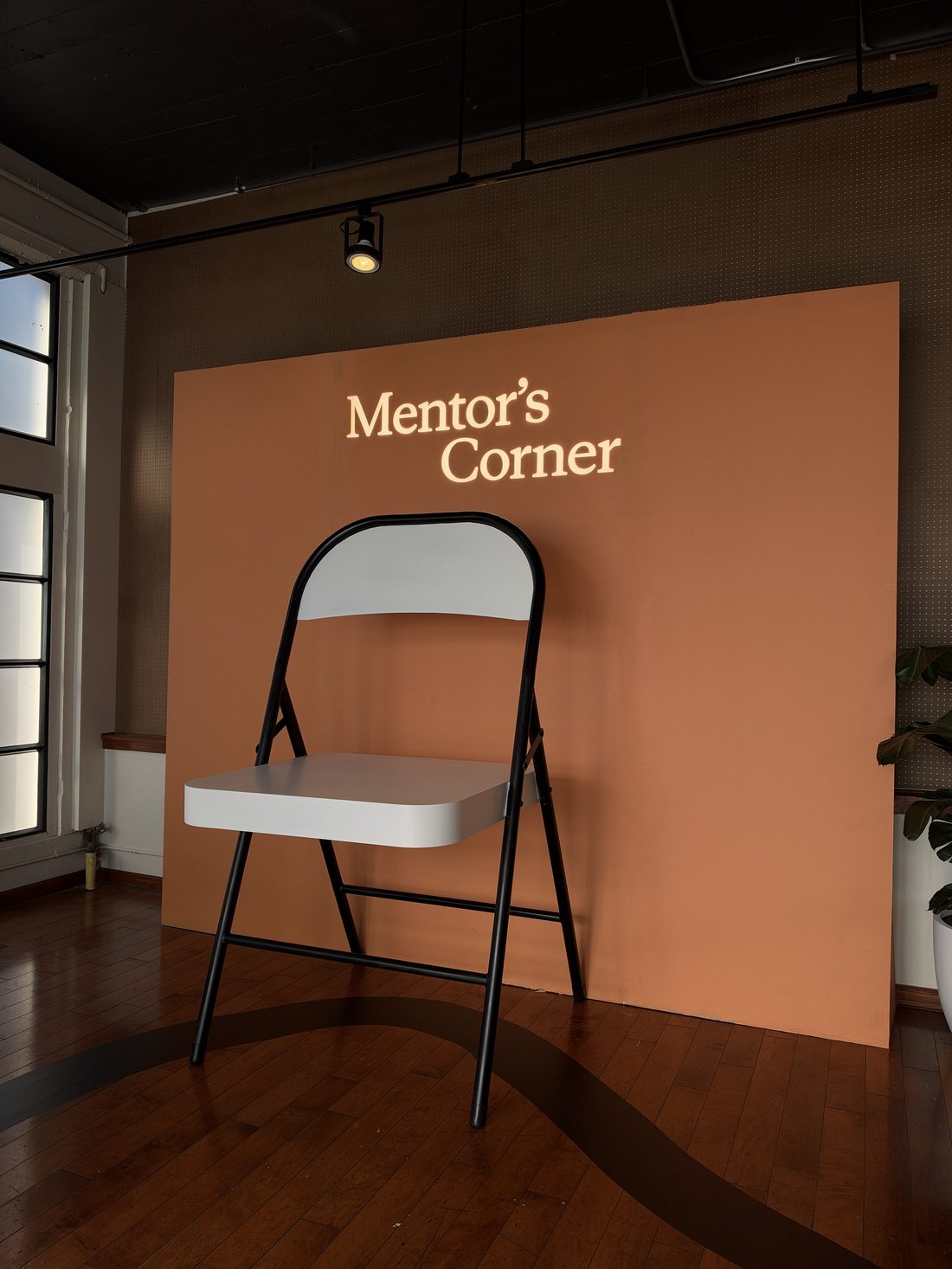
The most valuable part of the trip was the direct feedback. Engineers and researchers from the Claude team reviewed how Care Cura and Mira use AI today and offered input on what to build next. Musa returned with a list of improvements now being worked into Mira, which means they'll reach Care Cura's own families and every agency that runs on the platform.
What it means for families
For families in Tracy, Manteca, Stockton, Livermore, and across the Central Valley and Tri-Valley, the result is practical: faster scheduling, cleaner visit records, fewer things falling through the cracks, and more of a caregiver's time spent with the person they're caring for.
What AI doesn't change
AI doesn't provide care. Caregivers do. Care Cura's caregivers are trained, background-checked, and expected to use professional judgment in the field. Technology exists to support them, not to replace them.